

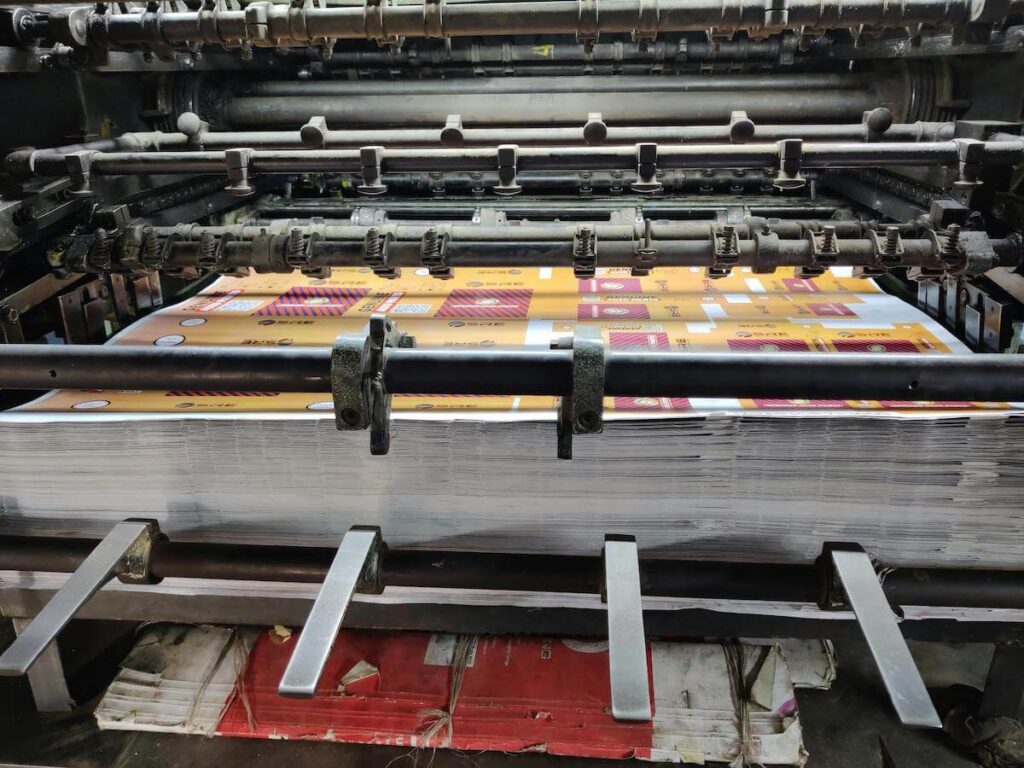
So, you’re looking into printing for your business, but you’re faced with a decision: offset or digital? The choice isn’t always straightforward, especially if you’re not familiar with the differences. As more businesses in Tanzania invest in professional branding and packaging, understanding the differences between printing methods has become increasingly important. Choosing the wrong method could lead to wasted time, or results that don’t meet your brand’s expectations.
In this article, we’ll break down the key differences between offset and digital printing, and help you decide which option best fits your business needs.
What is Offset Printing?
Offset printing is a traditional method that uses metal plates to transfer ink onto paper through a series of rollers. It is widely known for its exceptional print quality and consistency. This method is especially cost-effective for large print runs, as the price per unit decreases significantly as the quantity increases. Offset also supports a wide range of paper types, custom inks such as Pantone colors, and specialty finishes.
What is Digital Printing?
Digital printing, on the other hand, is a more modern approach that prints directly from digital files without the need for physical plates. It’s fast, flexible, and great for smaller print runs or projects that require quick turnaround.
How to Choose the Best Option for Your Business
When deciding between offset and digital printing, it’s important to consider your specific business needs. Here are four key questions to help guide your choice:
How Many Copies Do You Need?
If you’re planning a large print run, perhaps thousands of product labels, brochures, or packaging inserts, then offset printing is typically the more cost-effective option. Although the initial setup cost is higher, the price per unit drops significantly with larger quantities, making it ideal for high-volume projects.
On the other hand, if you only need a small number of prints, for example, marketing flyers for a limited event or a test batch of product packaging, then digital printing is the more practical choice. With no need for plates or lengthy setup, you can print small quantities quickly and affordably without sacrificing quality.
How Fast Do You Need It?
Time is often one of the most critical factors in choosing a printing method. If you’re facing a tight deadline such as preparing last-minute marketing materials, then digital printing is your best option. Since it doesn’t require time-consuming setup, your project can move directly from the screen to the printer, allowing for quick turnaround, sometimes within the same day.
In contrast, offset printing requires more preparation time. The process involves creating metal plates, setting up the press, and allowing for drying time, especially if specialty finishes are involved. As a result, offset jobs typically take several days or even a week to complete, depending on the complexity and volume.
Do You Need Special Finishes or Colors?
If your brand relies heavily on visual impact and high-end presentation, the ability to customize your print materials becomes crucial. Offset printing is the go-to option when you want access to a wider range of advanced finishes and precise color control. It supports specialty techniques such as Pantone color matching, foil stamping, embossing, debossing, and a variety of textured coatings—all of which help elevate your packaging or printed material from ordinary to exceptional. These finishing touches are ideal for premium products, luxury branding, or any item where visual appeal can enhance the customer’s experience.
While digital printing continues to improve and can produce impressive results for most standard projects, it still has limitations when it comes to special effects. Digital presses typically rely on a narrower color spectrum and are less suited to unique textures or metallic elements. So, if your design requires exact brand colors, or a polished, upscale feel, offset printing offers the level of craftsmanship and flexibility you’ll need to achieve that.
Is Personalization Important?
Digital printing is the clear choice for any project that involves variable data such as individual names, addresses, serial numbers, barcodes, or custom messages. Because digital presses print directly from computer files without the need for plates, they allow for easy customization on each item, without slowing down production or driving up costs. This makes digital printing ideal for targeted marketing campaigns, limited-edition packaging, or personalized customer experiences.
Offset printing, in contrast, is designed for high-volume jobs where every copy is identical. Once the plates are set up, it’s efficient and cost-effective for mass production, but it doesn’t offer the flexibility needed for individual customization. Making changes mid-run would require stopping the press and creating entirely new plates, which is an impractical and costly process.
So if your project depends on flexibility, personalization, or one-to-one marketing, digital printing offers the speed and versatility you need to deliver a customized touch, something that modern consumers increasingly expect and appreciate.
Choosing the right printing method can have a significant impact on your business’s brand image, budget, and timeline. Understanding your specific needs is key to making the best choice, but you don’t have to do it alone. At TPS, we help businesses across Tanzania navigate their printing needs with expert guidance tailored to their goals. Reach out to us today to find the perfect printing option that will bring your vision to life and help your business stand out.